Short answer: find a private label golf polo manufacturer by testing four things in order: whether the factory can make the product you actually want, whether it can support your brand details, whether its quality controls are written down, and whether its commercial terms fit your first launch. A polished catalogue is not enough. Before you compare unit prices, ask for a fabric specification, a sample plan, a size chart, a decoration proof, a production timeline and evidence tied to the factory you will use.
Start with a brief, not a supplier shortlist
New golf apparel brands often search for “the best private label manufacturer” before they have defined the shirt. That reverses the useful order. A factory that is excellent at sublimated team polos may be a poor fit for a heavyweight embroidered club shirt, while a cut-and-sew specialist may not be the right partner for a fast-moving seasonal collection.
Write a one-page brief before contacting factories. Include the silhouette, target customer, fit, fabric composition, fabric weight, collar and placket, size range, colour count, logo locations, decoration method, packaging, destination market, first-run quantity and target delivery date. “Premium performance polo” is a positioning phrase; “92% polyester / 8% spandex knit, 170 GSM, XS-4XL, embroidered left chest and printed back neck” is a production brief.
| Brief field | What to specify | Why it matters |
|---|---|---|
| Product | Polo, quarter-zip, long sleeve or other style; regular or athletic fit | Different constructions use different blocks, machines and costs. |
| Fabric | Fibre percentages, knit construction and GSM | Hand-feel, drape, decoration and price all change with the fabric. |
| Branding | Main label, care label, hangtag, logo size and placement | Brand details cannot be safely improvised after cutting. |
| Order | Quantity per colourway, size ratio and target market | MOQ is normally counted per colourway, not just across the whole order. |
| Delivery | Destination and Incoterm, such as FOB, CIF or DDP | A low factory quote is not a landed cost. |
Where to search for a private label polo manufacturer
Use several discovery routes, but treat every route as a lead source rather than proof of capability:
- Direct factory websites: useful for understanding product categories, equipment and stated process, but website copy still needs verification.
- B2B marketplaces and trade directories: useful for building a longlist and comparing response speed, but badges and catalogue images are not a substitute for factory evidence.
- Trade shows and sourcing agents: useful when you need to compare fabrics and trims in person. Ask exactly which entity will quote, sample and produce the order.
- Referrals from clubs, decorators or apparel buyers: valuable because the referral can describe what happened after the deposit, not only what was promised before it.
For a first launch, build a shortlist of three to five manufacturers. More than that creates a spreadsheet, not a decision; fewer than three makes one attractive quote look like a benchmark.
How to screen the factory before sampling
Ask each shortlisted manufacturer the same questions and request the answer in writing. You are testing whether the business can make a controlled production promise, not whether a salesperson can answer quickly.
- What is the legal company name and what is the production-site address?
- Which operations are performed in-house, and which are subcontracted?
- Can you show recent examples using the proposed knit, decoration method and collar construction?
- What is the minimum order per colourway, and are fabric or trim minimums separate?
- What is included in the sample fee, and how many correction rounds are covered?
- What is the size range and how is grading approved?
- What are the checkpoints from bulk fabric approval to final inspection?
- Which documents can be supplied for the destination market, and who is responsible for reviewing them?
- What are the payment milestones, inspection rights and remedy for a non-conforming shipment?
- Who owns the pattern, artwork, labels and approved sample?
Do not accept “yes” as a complete answer. Ask for the document, photo, measurement chart, sample or clause that makes the answer testable. A manufacturer can be honest and still be a poor fit if its minimums, lead time or equipment do not match your launch.
Verify compliance and factory evidence
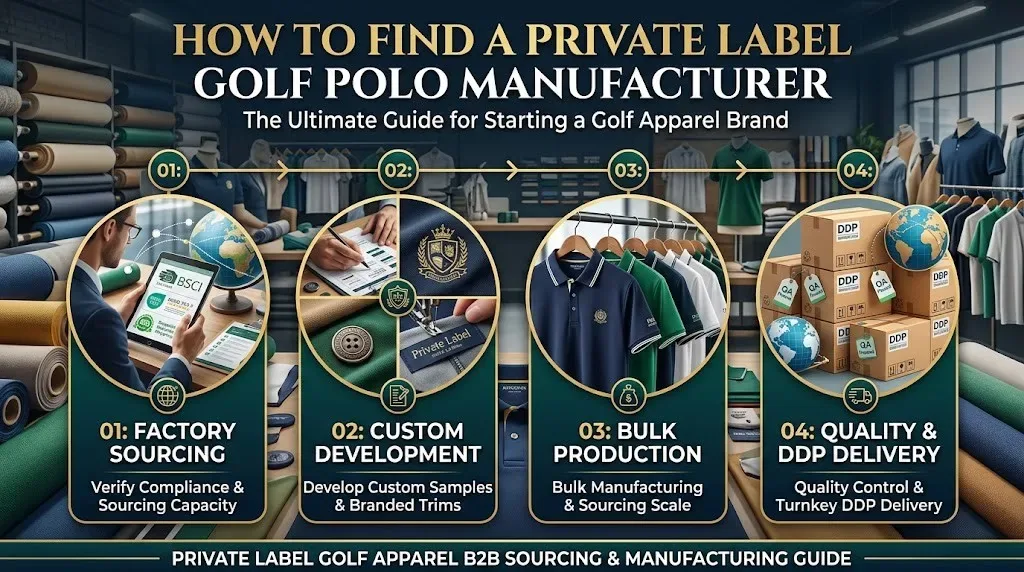
The cover image for this guide shows compliance paperwork because buyers should ask for it — not because a logo in a presentation proves that every order is compliant. Check the issuing organisation, legal entity, site address, scope, validity period and whether the document covers the product and market you are buying for. If an audit or certification is relevant to your retailer, marketplace or country, confirm the current requirement independently.
Separate three questions that are often blurred together:
- Factory audit: does an assessment cover the actual site and a current date?
- Product testing: does a report cover the actual fabric, colour, trim and intended market?
- Supply-chain claim: can the supplier trace the material and provide the transaction or chain-of-custody evidence required for the claim?
Ask for a redacted sample if commercial details are confidential, then verify the unredacted record through the issuer or an agreed third party where appropriate. Never copy a certification mark into your own packaging until your own legal and compliance review says you may use it.
Compare fabric and construction with physical samples
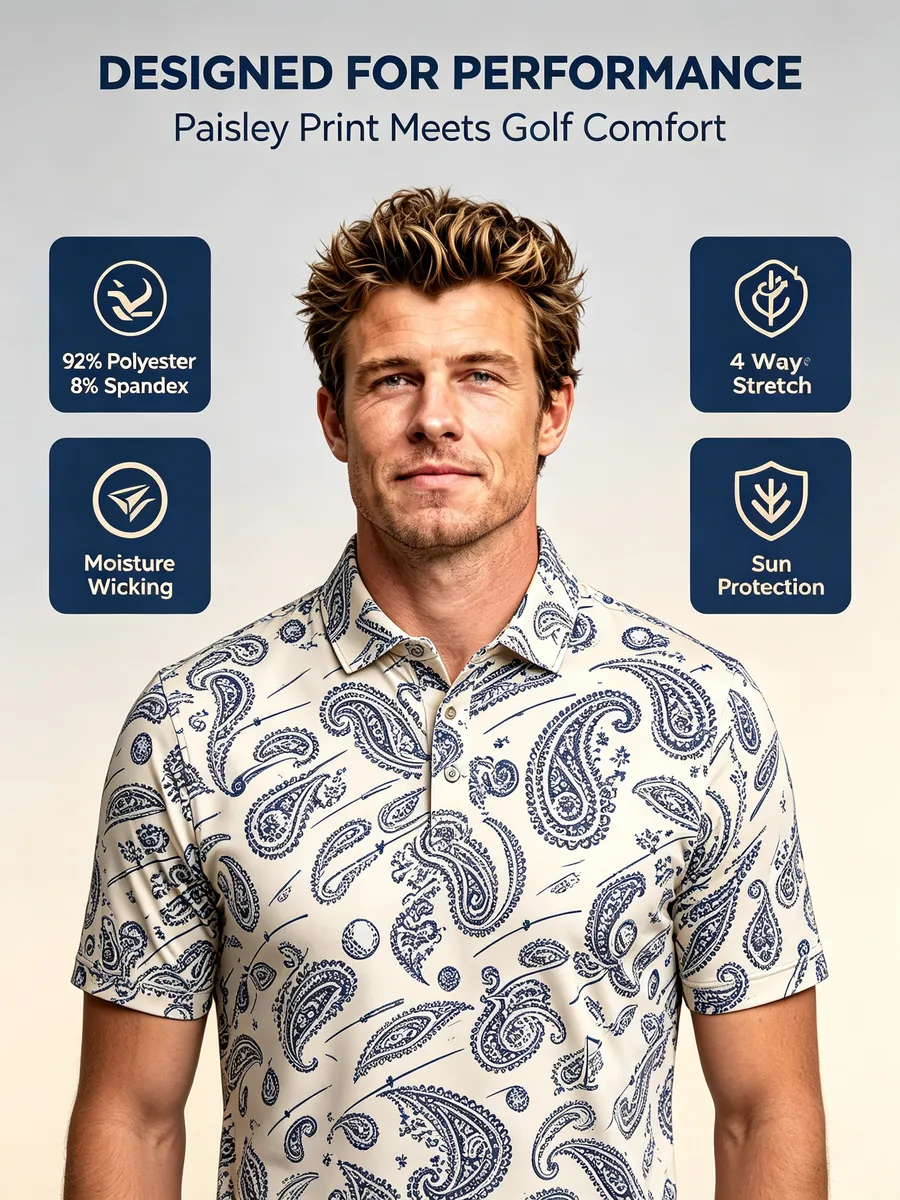
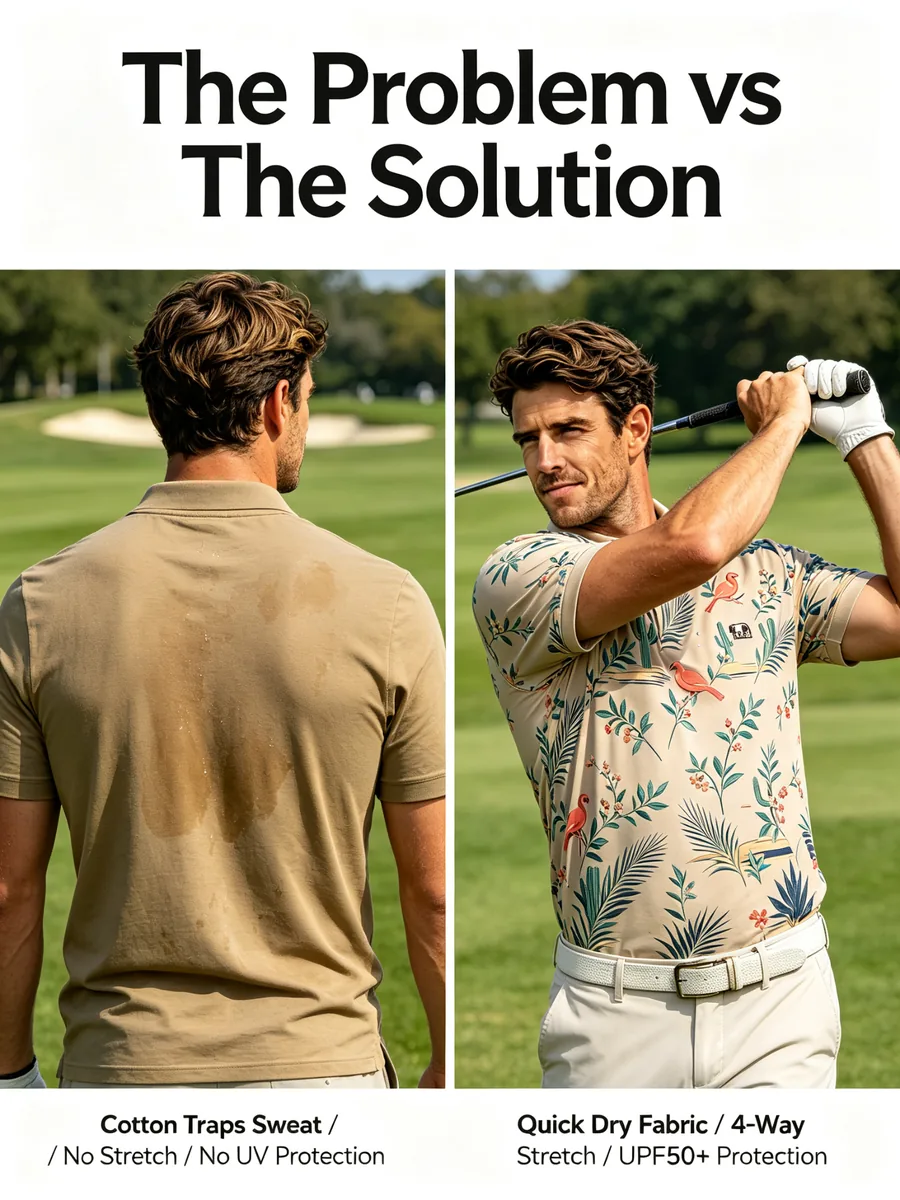
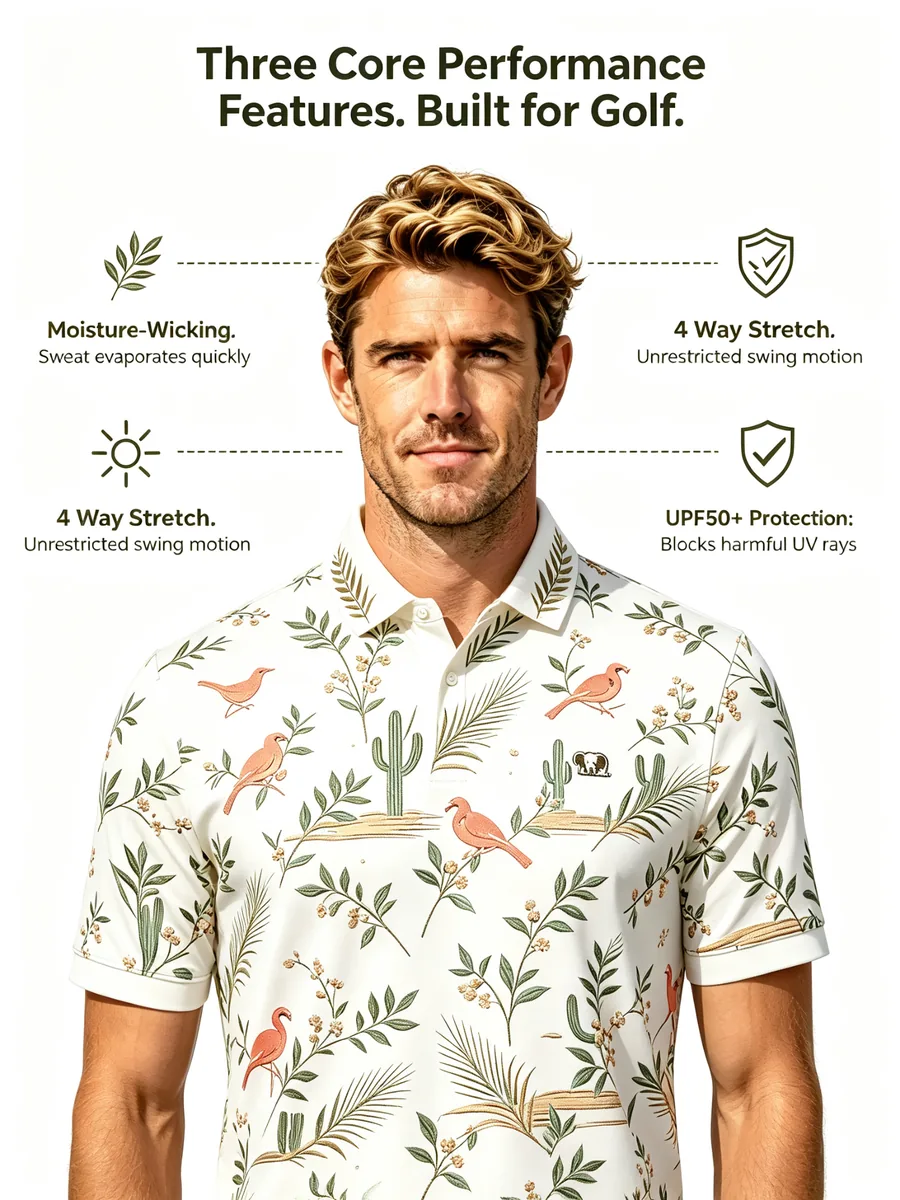
Photos cannot tell you whether a collar recovers, whether the knit is transparent under tension, or whether a logo puckers the chest. Order a sample in the proposed fabric and ask for the fibre composition, GSM, knit name and finish in writing. For performance polos, a 165-170 GSM mesh may suit hot conditions, while a 175-185 GSM interlock or piqué can give a more structured hand; the right choice depends on the brief rather than a universal “best” weight.
Use the men’s performance polo specification as a reference for the level of detail to request. If your concept relies on all-over colour, compare it with a sublimation polo and ask how the artwork is prepared, approved and checked in bulk. If your brand is built around a crest or sponsor mark, compare the corporate embroidered polo and request a sew-out before approving the run.
Use a controlled sample process
A sample is not a miniature bulk order. It is a decision gate. On the current standard terms, sampling is generally 5-7 days after artwork confirmation; the exact timing depends on fabric, colour, trims and revision rounds. Approve the sample against a written checklist:
- body measurements and tolerance;
- collar height, roll and recovery;
- fabric hand-feel, weight and opacity;
- colour under daylight and your intended retail lighting;
- logo width, position, colour and stitch or print density;
- label wording, language, care information and country-of-origin treatment;
- packaging, folding and carton requirements.
Turn the approved sample into a signed golden sample. Date it, photograph the key measurements, keep one copy and leave one with the manufacturer. List any accepted deviations. “Looks good” is not a production standard; a signed reference is.
Evaluate bulk-production controls
Ask the manufacturer to describe what happens after you approve the sample. A credible answer should mention actual control points, not only “our QC team checks everything.” Useful checkpoints include bulk-fabric approval, cutting-marker and size-ratio approval, first-off approval, an in-line check during production and final inspection against the golden sample.
On the current standard terms, bulk production is typically 7-15 days after sample approval when the approved fabric and colour are available. A custom dye lot, new trim, revised artwork or delayed approval can sit outside that window. Put the assumptions into the purchase order so a lead-time promise can be compared with the event that starts the clock.
| Checkpoint | Evidence to request | Decision |
|---|---|---|
| Fabric lot | Bulk swatch and composition/weight confirmation | Approve before cutting |
| First-off | Photos or physical first finished unit | Approve fit, trim and decoration before line continuation |
| In-line QC | Inspection record and defect classification | Correct systematic errors while rework is still manageable |
| Final inspection | Sampling plan, measurements and packing photos | Release or hold shipment according to the PO |
Calculate the real first-launch cost
Compare landed cost, not just the garment line. The first run may include sampling, pattern or artwork setup, labels, hangtags, packaging, inspection, freight, duty and tax. On the current catalogue terms, standard MOQ is 50 pieces per colourway, while some styles ladder from 30; verify the exact style before planning the launch. A setup charge of about $80 per logo may apply once and may not repeat for the same artwork, but it must be confirmed in your quotation.
Request two quotes: one for the first run and one for a repeat order using the same pattern, fabric, colour and artwork. That exposes which costs are fixed and whether the manufacturer is pricing the relationship for a viable second order. A 50-piece run is not simply a smaller version of a 500-piece run: fixed setup costs dominate the first order.
Clarify delivery, DDP and responsibility
DDP can simplify a first launch because the quoted service is intended to include delivery and import handling to the named destination, but do not treat the acronym as a complete commercial agreement. Confirm the named place, what duties and taxes are included, who is importer of record, which carrier is used and what happens if customs needs additional information.
Under the current standard terms, DDP delivery to the EU is commonly quoted at 28-35 days from the relevant approval point. Your destination, season and freight route may change the actual result. The custom golf shirt lead-time guide separates sample, production and transit time so you can build a launch calendar without hiding the handoffs.
Choose the partner, not the cheapest quote
Score each manufacturer against the same weighted criteria: product fit, sample quality, communication, evidence, MOQ, landed cost, timeline, payment risk and repeat-order potential. A low quote that needs three rounds of correction, cannot explain its size grading or changes its fabric after deposit is not low cost.
Before paying a deposit, put the commercial essentials into one document: exact product, approved fabric and colour, size ratio, decoration artwork, labels, packaging, quantity, price, Incoterm, delivery window, inspection standard, remedy, payment milestones and ownership of your brand assets. Then place a small, controlled launch order. A private label manufacturer earns a larger seasonal order by making the first order measurable and repeatable.
FAQ
What is the minimum order for a private label golf polo?
The current standard catalogue minimum is 50 pieces per colourway, with some styles starting at 30. Confirm whether a fabric, colour or trim minimum is separate from the garment MOQ. The MOQ guide explains how colourways and size ratios affect the practical first order.
Should I choose a factory or a sourcing agent?
Choose the route that gives you verified control of the actual production site, the sample and the purchase-order remedy. An agent can be useful for discovery and communication, but your documents should identify the producing entity and who is responsible if the shipment does not match the approved sample.
How many samples should I order?
At minimum, order one development sample and keep a signed golden sample. Add a size-set sample when your fit or size range is important, and request a decoration sew-out when embroidery or dense artwork is central to the product.
What is the first red flag?
A supplier that gives a very low price but cannot state the fabric composition, GSM, MOQ basis, production site, approval milestones and remedy in writing is not giving you a comparable quote.
Sources
- Mega Elephant product specification records, 2026-10 (fabric composition, knit, GSM, size runs, decoration methods and price ladders)
- Mega Elephant standard production terms, 2026-10 (sampling, bulk timing, MOQ and DDP reference terms)
- The figures in this article are catalogue and manufacturing terms, not independent laboratory results or a guarantee for every supplier